A painted patch on a basement wall can look harmless until the plaster starts blowing, the skirting softens, or that musty smell never quite leaves. If you are trying to work out how to waterproof basement walls, the first thing to know is this – successful waterproofing is rarely about one magic coating. It depends on why water is getting in, how the space is built, and what you want the basement to be used for afterwards.
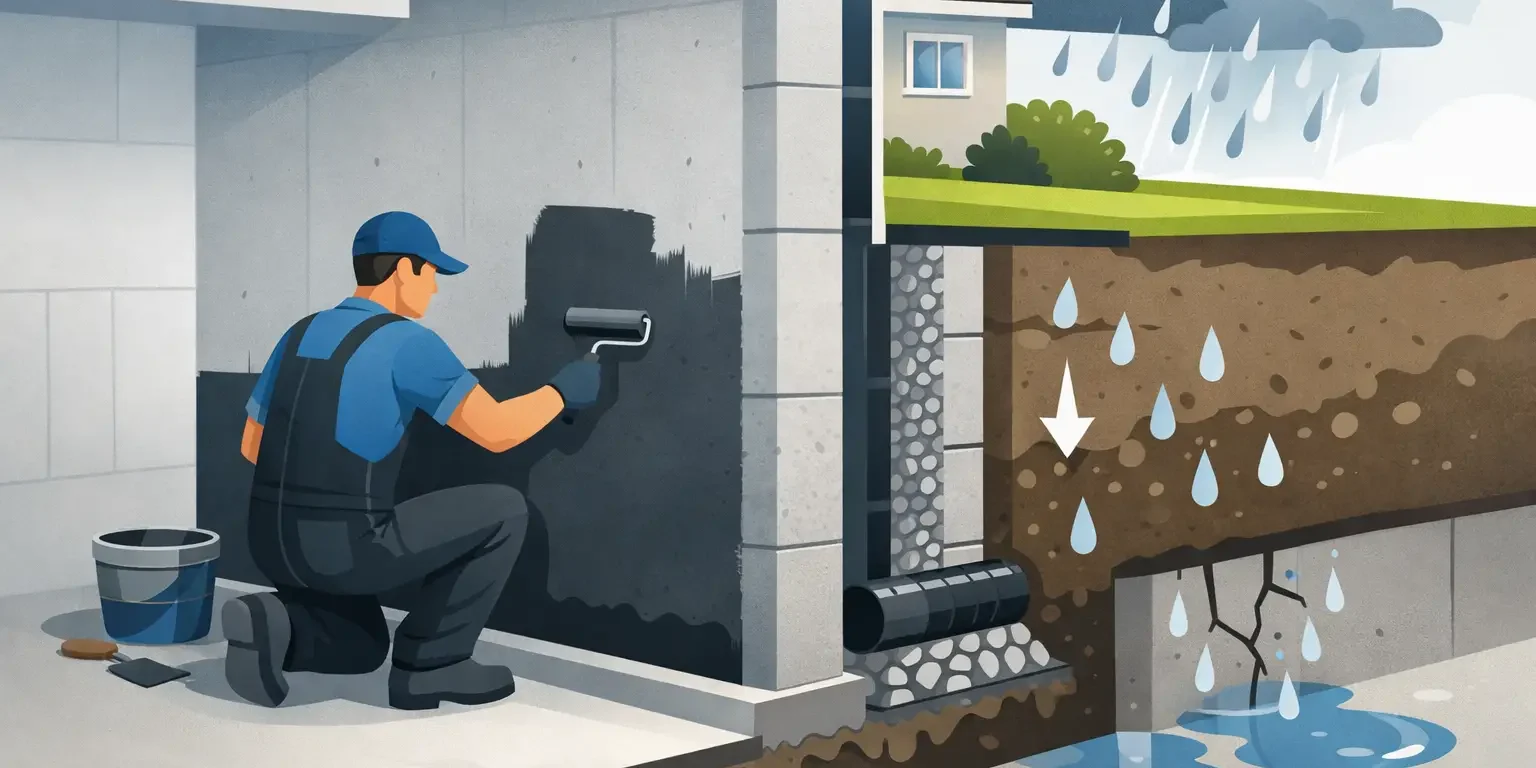
That matters because basements sit below ground level, where surrounding soil holds moisture against the walls for long periods. In heavier rain, or where drainage is poor, that moisture can become hydrostatic pressure. Instead of a little surface dampness, you get persistent water pressure pushing through masonry, construction joints, and weak points in the structure. If the cause is misunderstood, cosmetic work often fails quickly.
How to waterproof basement walls starts with diagnosis
Before any treatment is chosen, the wall and the wider basement need to be assessed properly. A wall may look damp because groundwater is passing through it, but similar symptoms can also be caused by condensation, leaking pipework, failed external drainage, bridged damp proofing, or salts left behind by historic moisture. Each problem needs a different remedy.
This is where many property owners lose time and money. A waterproof paint from a builders’ merchant may hold back light moisture for a while, but it will not solve structural water ingress. If pressure builds behind the coating, it can force the finish off the wall. The same goes for replastering too soon, or trying to dry the room out with heaters before the source has been dealt with.
A proper assessment usually looks at the condition of the masonry, the type of construction, floor to wall junctions, previous repairs, ventilation, external ground levels, rainwater goods, and whether the basement is intended for storage or full habitable use. The standard of waterproofing needed for a plant room is not the same as for a home office, bedroom or snug.
The main ways to waterproof basement walls
In practice, most basement waterproofing falls into two broad approaches – barrier protection and drained protection. Which is right depends on the structure, the level of water risk, and how the space will be finished.
Cementitious tanking systems
Tanking is a barrier system applied directly to the walls, and often the floor, to resist moisture passing through the structure. This usually involves preparing the substrate thoroughly, removing failed plaster and coatings, repairing defects, treating joints and service penetrations, and applying a cement-based waterproof slurry or render system.
When installed correctly, tanking can be very effective. It is often suited to sound masonry where preparation can be controlled properly. It can also make sense where space is tight, as it does not usually require a cavity in front of the wall.
The trade-off is that tanking relies heavily on substrate condition and workmanship. Any weak spot, poor bond, or movement can create a point of failure. It also needs the surrounding details done properly. Waterproofing the wall but ignoring the floor junction is a common reason systems fail.
Cavity drain membrane systems
A cavity drain membrane does not try to hold water back at the wall face in the same way. Instead, it manages water that enters the structure by allowing it to travel behind a studded membrane and into a drainage channel, then on to a sump and pump or suitable discharge point.
This approach is often preferred where there is a higher risk of water ingress, where structures are mixed or uneven, or where a more maintainable waterproofing strategy is needed. It can also be a sensible option in older properties where absolute reliance on the wall substrate is less desirable.
The trade-off here is that membrane systems need careful design and ongoing maintenance. If there is a pump, it must be reliable and serviced. Drainage channels need to remain accessible. In other words, it is not a fit-and-forget solution, but it can be a very robust one when correctly designed.
Can you waterproof basement walls from the inside?
Yes, in many cases you can waterproof basement walls internally, and that is often how below-ground spaces are treated. External waterproofing can be effective, but it is not always practical. Excavation may be restricted by neighbouring structures, access, retaining walls, cost, or the risk of disturbing existing ground conditions.
Internal waterproofing is often the most realistic option in existing homes and commercial properties. What matters is choosing a system that suits the building and installing it as part of a complete waterproofing design, not as an isolated patch repair.
If a basement shows active water ingress, salts, damaged finishes or signs of long-term damp, internal works usually need to include stripping back contaminated materials. Trying to waterproof over damaged plaster or trapped moisture only stores up trouble for later.
What preparation matters most
If you want to know how to waterproof basement walls properly, preparation is where the job is won or lost. Surfaces need to be sound, clean and suitable for the chosen system. Loose render, gypsum plaster, paint, dust and salts can all interfere with adhesion and performance.
Cracks, holes and weak joints may need repairing before any waterproofing is applied. Floor and wall junctions often need particular attention because they are common entry points for water. Service penetrations, old fixings and uneven backgrounds must also be dealt with carefully.
After waterproofing, the choice of internal finish matters too. Some plasters and decorating products are not appropriate for below-ground environments. If the room is to be used regularly, insulation, ventilation and heating should be considered alongside the waterproofing system so the space stays dry and comfortable in normal use.
Why one basement needs tanking and another needs a membrane
There is no honest one-size-fits-all answer. A relatively simple cellar used for storage may be suitable for a tanking system if the structure is in good order and water pressure is modest. A fully converted basement intended as living accommodation may benefit more from a cavity drain membrane system, especially where the consequences of failure are higher.
Some basements even need a combined approach. That can include localised repairs, external drainage improvements, internal membrane protection, and coordinated reinstatement works. The right answer depends on risk, intended use, budget and the practical limits of the building itself.
This is also why cheap quotations can be misleading. If one contractor is pricing a quick coating and another is allowing for proper preparation, drainage details, plaster removal and reinstatement, they are not offering the same thing. Waterproofing should be judged on design and suitability, not just upfront cost.
Common mistakes when waterproofing basement walls
The most common mistake is treating the symptom rather than the source. If defective gutters, overflowing gullies, raised ground levels or leaking drains are feeding the problem, internal waterproofing alone may not be enough.
Another mistake is relying on decorative sealers marketed as permanent cures. These products have their place for very light-duty situations, but they are not substitutes for a designed waterproofing system where there is genuine below-ground water pressure.
Poor ventilation is another issue. Even after water ingress is addressed, basements can still suffer from condensation if warm moist air has nowhere to go. That can leave owners thinking the waterproofing has failed, when the problem is actually environmental control.
Finally, there is the mistake of using general builders without specialist waterproofing knowledge. Basement work sits in that awkward space where structure, moisture behaviour and finishing trades all meet. If the diagnosis is wrong or key junctions are missed, you may end up paying twice.
When to call in a specialist
If you have peeling finishes, tide marks, salts, mould, standing water, or a basement you want to convert into usable space, specialist advice is usually the sensible next step. The same applies if a survey has flagged damp in a below-ground area during a sale, purchase or mortgage process.
A specialist can assess whether the issue is groundwater ingress, condensation, building defects, or a combination of problems. More importantly, they can recommend a system that fits the intended use of the room and the condition of the property. For many owners, that clarity is as valuable as the treatment itself.
For properties in Devon and Cornwall, where older buildings, exposed weather and varied ground conditions can all influence moisture behaviour, local experience is especially useful. A contractor that can diagnose, waterproof and carry out the reinstatement works under one roof often makes the whole process easier to manage.
Waterproofing a basement is not just about keeping walls dry enough to look better for a few months. It is about creating a space that performs as it should, with the right system behind the finishes. Get the diagnosis right first, and the rest of the job has a far better chance of lasting.